PRP Therapy Fort Lauderdale · Platelet-Rich Plasma & Regenerative Wellness
Published by Dr. Benjamin Krasne, MD · Fusion Wellness Center · 2300 SE 4th Ave, Fort Lauderdale, FL 33316
PRP Therapy Fort Lauderdale is an area of growing interest among patients exploring physician-guided regenerative medicine, joint health, hair restoration, and skin wellness. At Fusion Wellness Center, platelet-rich plasma (PRP) is prepared from a patient's own blood. Understanding how PRP works, its potential applications, and its limitations can help patients make informed healthcare decisions.
PRP Therapy Fort Lauderdale: What Patients Should Know
Platelet-rich plasma is a preparation made from a patient's own blood. It contains concentrated platelets suspended in plasma.
Platelets are involved in normal blood clotting and contain growth factors and signaling proteins that participate in the body's natural healing processes.
PRP has been studied in several medical specialties, including orthopedics, sports medicine, dermatology, and aesthetic medicine.
However, research findings differ depending on the condition being treated, the preparation method, and the individual patient.
Important distinction: PRP is prepared from a patient's own blood and is not a stem cell treatment. These are different medical approaches with different regulatory considerations.
What Is Platelet-Rich Plasma?
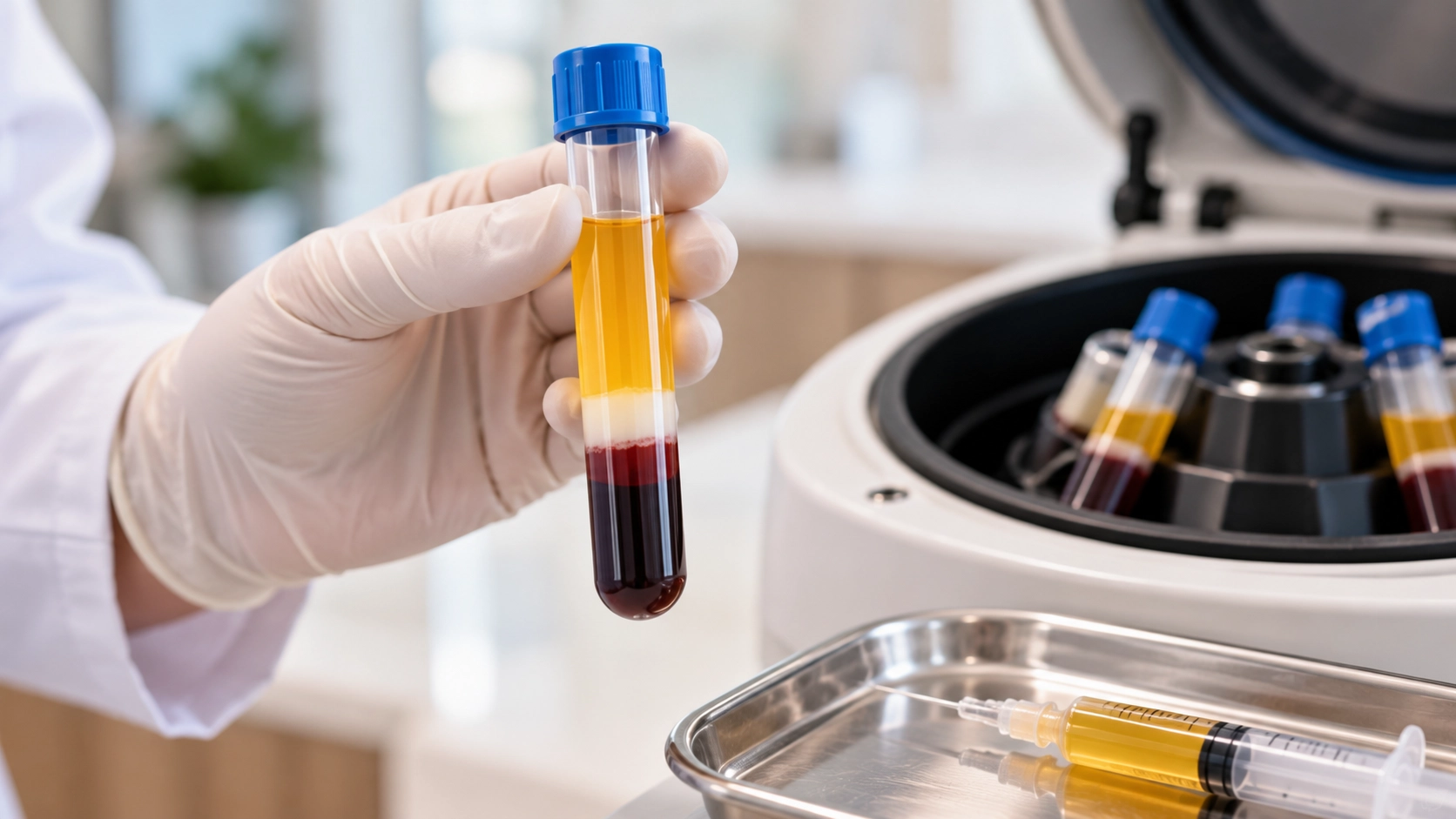
Platelet-rich plasma, commonly called PRP, is a concentrated blood preparation produced through a process known as centrifugation.
A small blood sample is collected and placed into a centrifuge. The equipment separates blood components according to their physical characteristics.
This process allows a platelet-rich portion of the plasma to be prepared for a specific clinical application.
The concentration and composition of the final preparation can vary depending on the equipment, processing method, and clinical protocol.
At Fusion Wellness Center in Fort Lauderdale, PRP is considered within an individualized, physician-guided approach to care.
How Does PRP Therapy Work?
PRP therapy involves preparing platelet-rich plasma and using it in a targeted treatment area when clinically appropriate.
Platelets contain biologically active substances involved in normal tissue signaling and healing.
The purpose of concentrating platelets is to increase the local concentration of these naturally occurring components.
However, the presence of growth factors does not automatically establish that PRP will repair damaged tissue or produce a particular clinical outcome.
Research continues to investigate how PRP preparations interact with different tissues and medical conditions.
Treatment results can vary depending on the condition, preparation method, administration technique, and individual response.
What Is PRP Therapy Used For?
Patients researching PRP therapy in Fort Lauderdale often want to understand its possible role in several areas of healthcare.
PRP has been investigated for musculoskeletal conditions, certain forms of hair loss, and selected aesthetic applications.
The quality of evidence varies considerably between applications. PRP should not be considered a universal treatment for every condition.
Joint & Musculoskeletal Concerns
PRP has been studied in orthopedic and sports medicine settings for conditions affecting joints, tendons, ligaments, and other musculoskeletal tissues.
Some research suggests that certain patients with knee osteoarthritis may experience symptom improvement following PRP treatment.
However, findings are inconsistent, and professional treatment recommendations differ.
PRP should not be described as guaranteed cartilage regeneration, permanent joint restoration, or a replacement for surgery.
Hair Restoration
PRP has also been investigated as a treatment option for certain types of hair loss, including androgenetic alopecia.
During treatment, platelet-rich plasma may be introduced into selected areas of the scalp.
Research suggests possible benefits for some patients, but treatment response varies.
The underlying cause of hair thinning should be evaluated before selecting a treatment.
Skin & Appearance
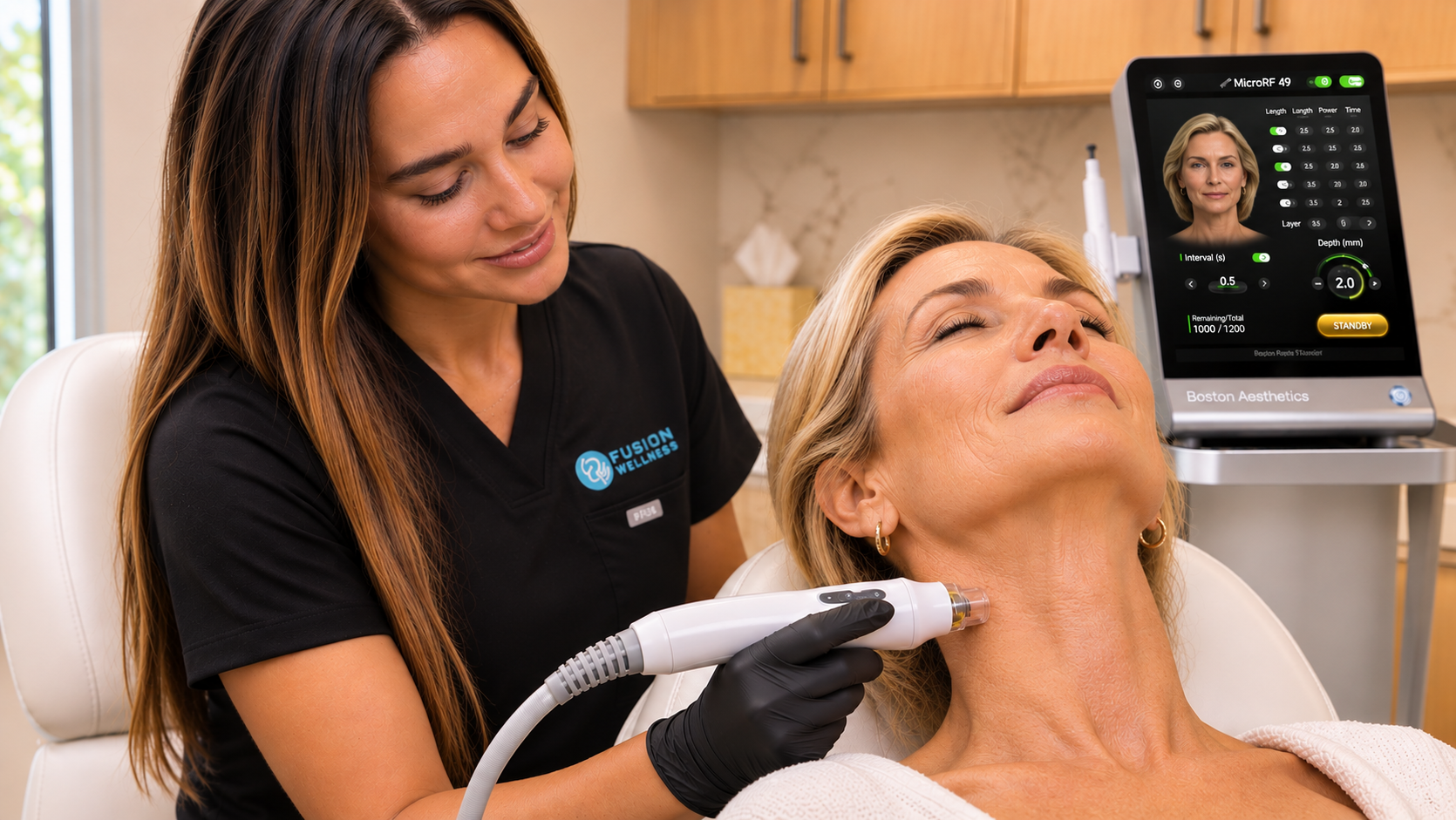
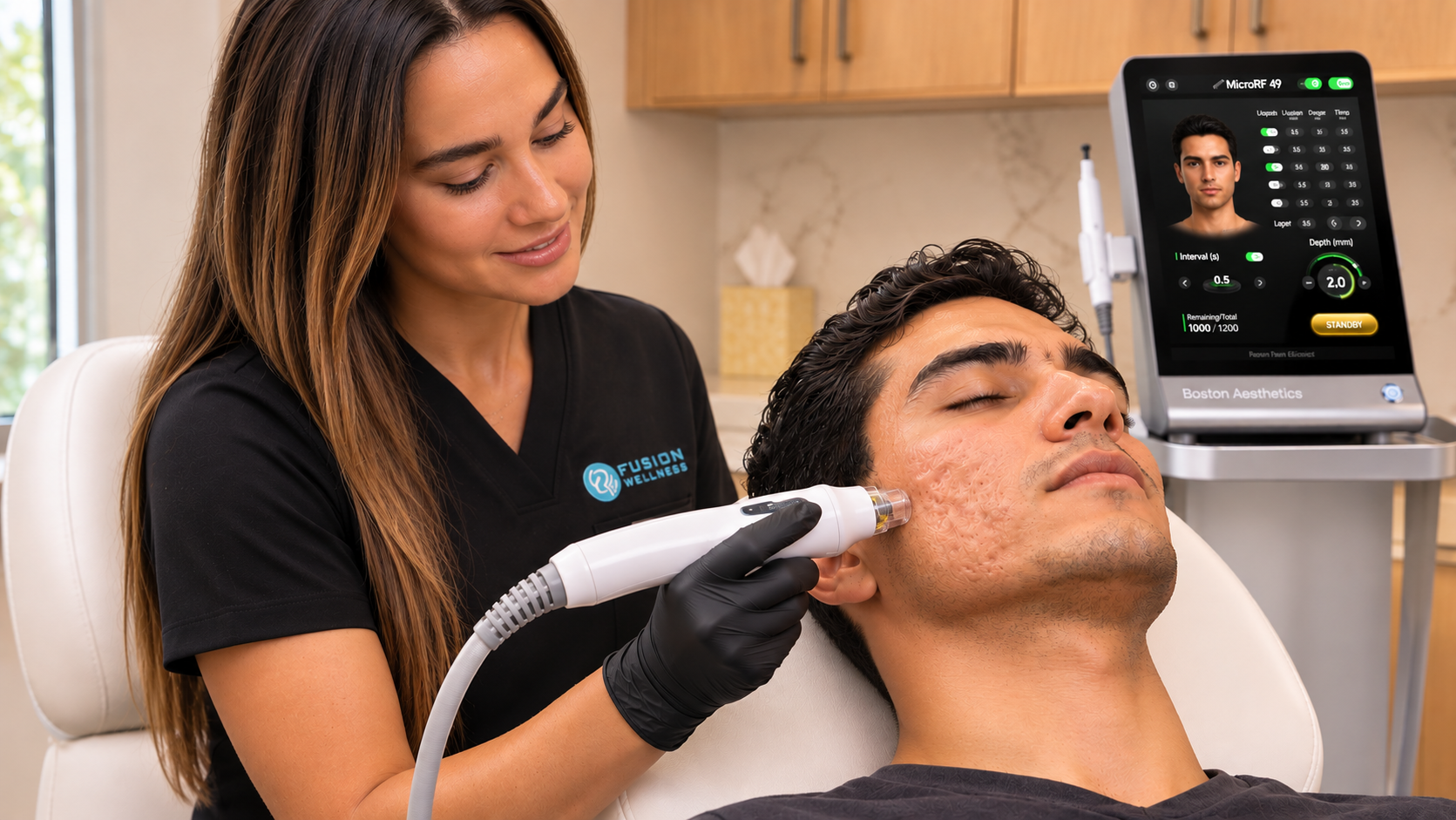
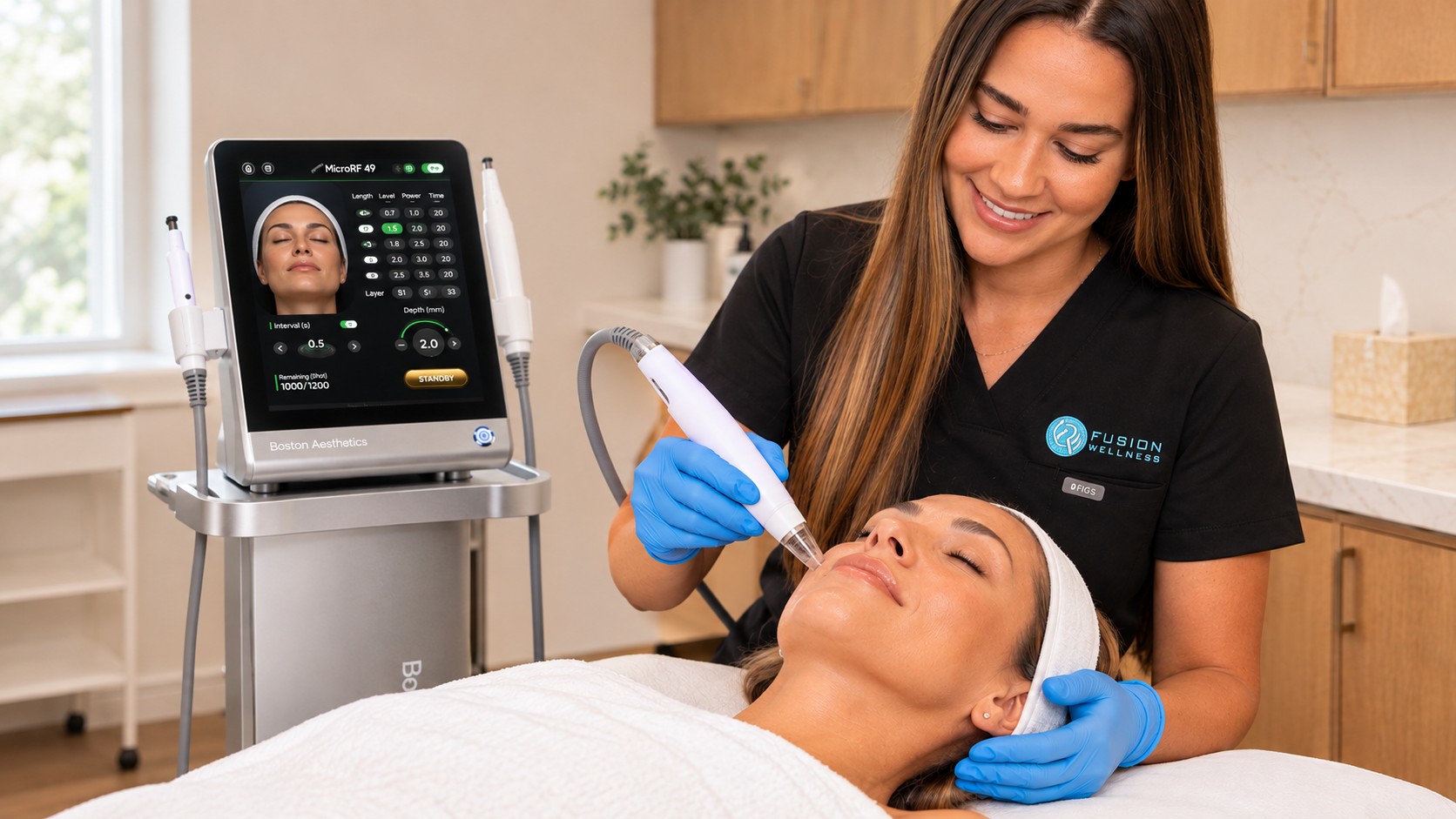
PRP is sometimes incorporated into aesthetic procedures, including microneedling and other skin-focused treatments.
These applications are being studied for their possible effects on skin appearance and related outcomes.
Evidence supporting broad claims about wrinkle reduction and reversing skin aging remains limited.
Patients should understand the difference between an aesthetic treatment goal and a medically established result.
Recovery & Healing
Because platelet-associated growth factors participate in normal healing processes, PRP has been investigated in several injury and recovery-related settings.
Clinical evidence depends on the tissue involved and the condition being treated.
PRP is not a guaranteed method of accelerating recovery or repairing damaged tissue.
PRP Therapy Fort Lauderdale: Is It FDA Approved?
Understanding FDA regulation is an important part of evaluating PRP treatment.
Medical devices used to prepare platelet-rich plasma may have FDA clearance for specific uses.
However, FDA clearance of a preparation device does not mean every clinical application of PRP is FDA-approved.
Many orthopedic, cosmetic, hair restoration, and regenerative applications of PRP do not have FDA approval as treatments for those specific conditions.
Patients should discuss the evidence, regulatory status, risks, and alternatives relevant to their individual treatment goals.
Understanding Regenerative Medicine Claims
The term regenerative medicine covers different technologies and medical approaches.
PRP is a blood-derived preparation. It should not be confused with cellular products or other experimental regenerative treatments.
Patients should be cautious about claims promising permanent tissue regeneration, reversal of aging, or guaranteed recovery.
A qualified healthcare professional can explain the evidence and limitations associated with a particular procedure.
Why Is PRP Prepared From the Patient's Own Blood?
PRP is an autologous preparation. This means the blood used to prepare the platelet-rich plasma comes from the same patient receiving the treatment.
Using the patient's own blood avoids certain concerns associated with donor-derived biological materials.
Nevertheless, PRP procedures are not risk-free.
Blood collection, preparation, and administration must follow appropriate medical and infection-control procedures.
The use of autologous material does not guarantee that a procedure will be effective or appropriate for every patient.
What Are the Risks of PRP Therapy?
PRP is generally considered a relatively low-risk procedure when appropriately performed, but potential complications should be discussed before treatment.
Depending on the treatment area and administration technique, possible risks include:
- Temporary soreness or discomfort
- Bruising or swelling
- Bleeding
- Infection
- Tissue irritation or injury
- Nerve injury, depending on the treatment location
- Lack of meaningful clinical improvement
A patient's medications, underlying health conditions, and medical history may influence the appropriateness of treatment.
The decision to proceed should follow an individualized discussion of potential benefits, risks, and alternatives.
Who May Be Interested in PRP Therapy?
Individuals researching PRP Therapy Fort Lauderdale may have questions about a range of health and wellness concerns.
Common reasons patients seek information include:
- Joint discomfort and mobility concerns
- Tendon and soft-tissue conditions
- Sports-related musculoskeletal concerns
- Certain types of hair thinning
- Skin appearance and aesthetic procedures
- Questions about nonsurgical treatment options
Having one of these concerns does not automatically make someone a suitable candidate for PRP.
Appropriate treatment depends on the diagnosis, medical history, available evidence, and individual goals.
What to Expect During a PRP Consultation at Fusion Wellness Center
Fusion Wellness Center approaches regenerative care through individualized medical evaluation.
A consultation provides an opportunity to discuss symptoms, health concerns, and possible treatment options.
1. Physician-Guided Consultation
Your visit begins with a review of your medical history, current medications, previous treatments, and personal health goals.
2. Evaluation of the Treatment Area
The appropriate assessment depends on the condition being considered.
Joint symptoms, hair loss, and aesthetic concerns require different evaluation methods.
3. Blood Draw & PRP Preparation
If PRP is considered appropriate, a blood sample is collected and processed to prepare platelet-rich plasma.
4. Targeted Treatment
The PRP preparation may be administered according to the specific clinical treatment plan.
5. Follow-Up & Monitoring
Follow-up recommendations depend on the treatment, clinical findings, and individual response.
Results are not immediate or guaranteed.
PRP Therapy as Part of a Broader Wellness Plan
At Fusion Wellness Center, individual health concerns are considered within a broader approach to wellness and longevity.
Depending on the patient, a comprehensive plan may involve movement, nutrition, recovery, metabolic health, sleep, and preventive care.
PRP is one possible medical procedure, not a substitute for appropriate diagnosis or comprehensive care.
Patients interested in the relationship between recovery and long-term wellness can explore Fusion Wellness Center's approach to care .
Learn more about our longevity center in Fort Lauderdale and our focus on individualized wellness.
You can also explore Red Light Therapy in Fort Lauderdale for information about another wellness modality.
Interested in PRP Therapy in Fort Lauderdale?
Fusion Wellness Center offers physician-guided consultations for patients interested in understanding platelet-rich plasma and medically appropriate regenerative care options.
Our team can help you explore whether PRP may be suitable for your individual health concerns.
Book a Free Consultation →Prefer to talk first? Call (954) 368-8489
Have Questions Before You Book?
Not sure whether PRP is appropriate for your concerns? Call (954) 368-8489 or contact the Fusion Wellness Center team for more information.
PRP Therapy Fort Lauderdale: Frequently Asked Questions
What is PRP therapy?
PRP therapy involves preparing platelet-rich plasma from a patient's own blood and using that preparation in a targeted area when clinically appropriate.
Is PRP the same as stem cell therapy?
No. PRP is a blood-derived preparation that concentrates platelets within plasma. Stem cell products involve different biological materials and regulatory considerations.
Is PRP therapy FDA approved?
Certain devices used to prepare PRP have FDA clearance. However, this does not mean PRP treatment itself is FDA-approved for every clinical application.
Many orthopedic, cosmetic, hair, and regenerative uses do not have FDA approval as treatments for those specific conditions.
Can PRP help with joint discomfort?
PRP has been studied for certain musculoskeletal conditions, including knee osteoarthritis. Some studies suggest possible symptom improvement, but results vary and evidence remains mixed.
Is PRP used for hair restoration?
PRP has been investigated for certain types of hair loss. The underlying cause of hair thinning should be evaluated before considering treatment.
Can PRP improve skin appearance?
PRP is used in some aesthetic procedures, including microneedling. However, evidence for broad claims about reversing aging or reliably eliminating wrinkles remains limited.
Does PRP regenerate cartilage?
PRP should not be described as a proven method of regenerating cartilage or permanently restoring damaged joints. Research into its effects on joint symptoms continues.
How long does it take to see PRP results?
Results depend on the condition being treated, the treatment protocol, and individual response. Changes may develop gradually, and meaningful improvement is not guaranteed.
How many PRP treatments are needed?
There is no universal treatment schedule. Recommendations depend on the clinical condition, available evidence, and physician assessment.
Is PRP therapy safe?
PRP is generally considered relatively low risk when appropriately performed, but complications can include pain, swelling, bleeding, infection, and tissue injury. Patients should discuss their individual risks with a qualified provider.
Where can I learn about PRP therapy in Fort Lauderdale?
Fusion Wellness Center is located at 2300 SE 4th Ave, Fort Lauderdale, Florida 33316.
The center offers physician-guided consultations for patients interested in learning about platelet-rich plasma and appropriate care options.
How can I schedule a PRP consultation?
Contact Fusion Wellness Center at (954) 368-8489 or use the website's consultation booking option.
Medical Sources & Further Reading
Explore PRP Therapy at Fusion Wellness Center
Whether your questions involve joint health, recovery, hair restoration, or skin wellness, Fusion Wellness Center offers individualized consultations to discuss appropriate care options.
Book a Free Consultation →Call (954) 368-8489