Lymphatic Compression Fort Lauderdale · Circulation & Recovery
Published by Dr. Benjamin Krasne, MD · Fusion Wellness Center · 2300 SE 4th Ave, Fort Lauderdale, FL 33316
If you're researching Lymphatic Compression Fort Lauderdale options, you may be looking for support with heavy legs, swelling, travel-related puffiness, post-workout recovery, or general circulation. At Fusion Wellness Center, pneumatic compression is used as a non-invasive recovery modality that applies rhythmic pressure through inflatable sleeves. The goal is to support fluid movement and circulation while keeping expectations realistic about what compression can — and cannot — do.
Lymphatic Compression Fort Lauderdale: How Does It Work?
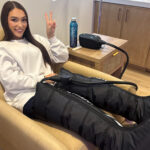
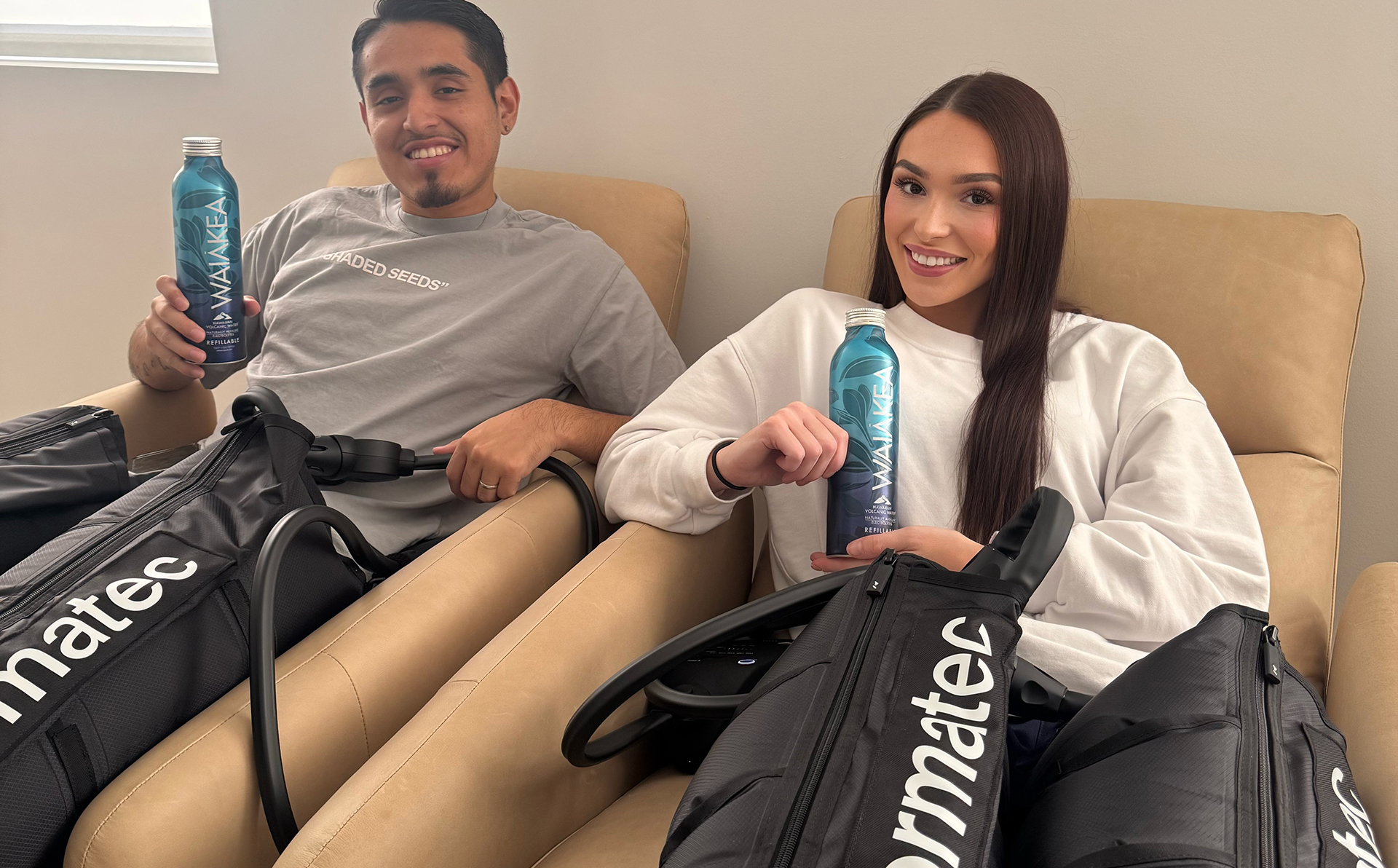
Intermittent pneumatic compression, or IPC, uses inflatable sleeves connected to a compression device. The sleeves repeatedly inflate and deflate around the legs or other treated area.
According to Cleveland Clinic , this rhythmic compression helps support circulation by encouraging blood movement through the legs.
Pneumatic compression can also be used in clinical lymphedema management. A 2026 systematic review of randomized trials found moderate-certainty evidence that intermittent pneumatic compression reduced lower-limb edema, volume, or circumference in patients with lower-extremity lymphedema. Results varied based on the treatment regimen and patient population.
What lymphatic compression does not do: Compression therapy does not literally “detox” the bloodstream or remove toxins from the body. Your liver, kidneys, lungs, gastrointestinal system, and lymphatic system perform those biological functions. Compression is better described as supporting circulation and fluid movement.
Why Do People Book Lymphatic Compression?
Patients often seek compression therapy because their legs feel heavy, tight, tired, or swollen after travel, work, exercise, or long periods of sitting or standing.
Swelling & Fluid Retention Support
Swelling in the legs can happen for many reasons. Long flights, prolonged sitting, long workdays on your feet, exercise, heat, medications, venous problems, injury, and medical conditions can all contribute.
Pneumatic compression can help move fluid in certain circumstances, but new, unexplained, one-sided, painful, or persistent swelling should not automatically be treated as a simple wellness problem.
If swelling is significant or unexplained, a medical evaluation may be needed to rule out issues such as blood clots, infection, vascular disease, heart problems, or other causes.
Can Compression Therapy Help With Lymphedema?
Intermittent pneumatic compression has been studied as part of lymphedema management.
A 2026 systematic review of seven randomized controlled trials involving lower-extremity lymphedema found that all seven studies reported reductions in limb volume compared with baseline. Five studies also found reductions when compared with control treatment, and the authors rated the overall certainty of evidence as moderate.
That evidence relates to patients with diagnosed lymphedema and structured treatment protocols. It should not be generalized to every person who simply feels “puffy” after travel or exercise.
Lymphatic Compression for Travel & Heavy Legs
Long flights and drives can leave the legs feeling stiff, swollen, or heavy because extended sitting reduces normal lower-extremity movement.
Compression may provide a comfortable recovery option for appropriate patients after travel, particularly when combined with normal movement, hydration, and other healthy travel habits.
However, if you develop sudden leg swelling, pain, redness, warmth, chest pain, or shortness of breath after travel, seek medical evaluation rather than relying on a wellness compression session.
Lymphatic Compression for Athletic Recovery
Athletes and active adults also use pneumatic compression sleeves after training because the rhythmic pressure can feel relaxing and may reduce the sensation of heavy or tired legs.
Compression should be viewed as one recovery tool rather than a substitute for sleep, hydration, nutrition, appropriate training load, injury management, or medical care.
If your goal is broader recovery, learn more about Fusion's physician-led approach to recovery and performance .
Is Lymphatic Compression a Detox Treatment?
“Detox” is a popular wellness term, but it can be misleading.
The lymphatic system is involved in fluid balance and immune function, while the liver and kidneys play major roles in processing and eliminating metabolic waste.
Compression therapy may help encourage fluid movement, but there is no good evidence that a wellness compression session “flushes toxins” from the body.
We prefer to describe the treatment accurately: circulation support, fluid movement, comfort, and recovery.
Who May Enjoy Pneumatic Compression?
Depending on their health history, people interested in compression therapy often include:
- Frequent travelers after long flights or drives
- Active adults following demanding workouts
- Athletes looking for a relaxing recovery modality
- People whose legs feel heavy after prolonged sitting or standing
- Patients using compression as part of a medically directed edema or lymphedema plan
- People looking for a non-invasive addition to a larger recovery routine
Who Should Be Careful With Compression Therapy?
Medical Screening Matters
Pneumatic compression is not appropriate for every patient. Conditions involving circulation, blood clots, acute infection, significant heart disease, severe peripheral arterial disease, or other medical issues can affect whether compression is safe.
Tell the Fusion team if you have a history of blood clots, vascular disease, heart failure, significant leg swelling, skin infection, recent surgery, neuropathy, or another condition that may affect circulation or sensation.
New unilateral swelling, severe pain, redness, warmth, chest pain, or shortness of breath requires medical evaluation rather than a routine wellness session.
What to Expect at Fusion Wellness Center
1. Quick Intake & Goal Review
We begin by asking why you're interested in compression — whether your goal relates to travel, heavy legs, exercise recovery, swelling, or general wellness.
2. Comfortable Sleeve Placement
Compression sleeves are positioned around the legs. The system then inflates and deflates in programmed cycles.
3. Rhythmic Compression
Patients often describe the sensation as similar to a firm, rhythmic leg massage. Pressure should feel controlled and comfortable rather than painful.
4. Relax During the Session
Compression is passive, so you can relax during treatment without strenuous exercise or recovery downtime.
5. Individualized Frequency
Some patients use compression occasionally after travel or demanding activity. Others may use it more regularly as part of a physician-guided recovery or lymphedema plan.
There is no universal schedule that every person needs.
Can You Combine Compression With Other Recovery Modalities?
Many Fusion patients are interested in building a broader recovery routine.
Depending on the individual's goals and health history, compression may be considered alongside other modalities such as photobiomodulation, cryotherapy, hydration strategies, or other recovery options.
Combining treatments does not automatically make them more effective, so the plan should still start with the outcome you're trying to address.
If you're comparing options, explore our guide to Red Light Therapy Fort Lauderdale or our HBOT vs Cryotherapy Fort Lauderdale comparison .
Interested in Lymphatic Compression?
If Lymphatic Compression Fort Lauderdale research brought you here, start with what you're actually trying to improve — heavy legs, travel recovery, exercise recovery, swelling, or general circulation support. Fusion Wellness Center can help determine whether pneumatic compression fits your goals.
Book a Free Consultation →Prefer to talk first? Call (954) 368-8489
Have a Question Before You Book?
Not sure whether compression therapy is right for your swelling, travel, or recovery goals? Call (954) 368-8489 or contact the Fusion Wellness Center team and we'll help you determine the right next step.
Frequently Asked Questions About Lymphatic Compression Fort Lauderdale
Lymphatic or pneumatic compression uses inflatable sleeves that rhythmically inflate and deflate around the limbs. This pressure can support circulation and movement of fluid through the treated area.
It can help reduce limb volume or edema in some clinical situations, including certain patients with lymphedema. The cause of swelling matters, so persistent or unexplained swelling should be medically evaluated.
Compression may support circulation and fluid movement, but it should not be described as removing toxins from the body. The liver, kidneys, lungs, gastrointestinal system, and lymphatic system perform the body's normal waste-processing functions.
Compression should generally feel firm and rhythmic rather than painful. Tell the clinical team if you experience pain, numbness, unusual tingling, skin changes, or significant discomfort.
Some appropriate patients use compression after travel because their legs feel heavy or swollen after prolonged sitting. Sudden or one-sided swelling, pain, warmth, redness, chest pain, or shortness of breath should be evaluated medically because these can be signs of a blood clot or another serious condition.
Athletes often use pneumatic compression as a passive recovery modality because it can feel relaxing and may help with the sensation of tired or heavy legs. It should be considered one part of a larger recovery strategy.
Frequency depends on why you're using it. An occasional post-travel or recovery session is very different from a medically directed lymphedema protocol. The Fusion team can help determine a reasonable approach based on your goals and health history.
Fusion Wellness Center offers pneumatic compression in Fort Lauderdale at 2300 SE 4th Ave and serves patients from surrounding Broward County and South Florida communities.
Medical Sources & Further Reading
Feel Lighter. Recover Smarter.
Whether you're recovering from travel, training, long days on your feet, or simply exploring non-invasive recovery options, Fusion Wellness Center can help you decide whether pneumatic compression fits your needs.
Book a Free Consultation →Call (954) 368-8489